Youth Baseball Starter Pack: A Parent’s Guide
By MYAS Staff —
Is your child about to start baseball? Congrats! This is an exciting journey for both players and parents.
Assembling a great baseball starter pack can help your young athlete hit the field with confidence. Here’s what to include in that pack and some additional tips to consider.
Baseball Bat
One of the most crucial pieces of sports equipment in your child’s starter pack is the bat. Before purchasing, check your league’s specific requirements, as there are different bat standards:
- USSSA Stamp: Commonly used in leagues for ages 9u to 14u.
- USA Stamp: These bats meet the USSSA standards and can be used in leagues allowing USSSA bats.
- BBCOR Bats: Typically used for players aged 15u and up, primarily at the high school level.
Keep in mind that there are weight restrictions based on bat length. For example, a (-10) differential means the bat weighs ten ounces less than its length (for example, a 30-inch bat weighing 20 oz). The Gopher State Baseball League has specific restrictions:
- 9u-11u: Unlimited
- 12u-13u: -10 maximum differential
- 14u: -5 maximum differential
- 15u and above: -3 maximum differential
Keep in mind that an expensive baseball bat won’t necessarily improve your child’s swing – used bats and bats on sale are worth considering.
Glove
Every player needs a glove tailored to their position – options range from first base mitts to infield and outfield gloves. If your child is just starting out, there’s no need for a specialized glove; a snug fit and lightweight design are ideal.
Most local associations provide a catcher’s mitt and sometimes a first base mitt. Many youth gloves come game-ready, but breaking in a glove can be a fun experience too.
Batting Helmet
Safety is paramount, and players are usually expected to have their own batting helmets.
Make sure the helmet fits your child’s head comfortably and covers their forehead without sitting too high. A good test is to have your child put the helmet on and shake their head – if it moves, it’s too loose. Many families go with helmets in team colors as their child progresses to travel baseball.
Cleats
Cleats come in two types: molded (plastic) and metal. Most leagues have specific rules about the use of metal cleats:
- 9u-12u: Molded cleats only
- 13u and above: Both molded and metal cleats allowed
For maximum comfort and support, choose cleats that fit similarly to your child’s everyday shoes.
Catcher’s Gear
While many teams provide catcher’s gear, having your own can be beneficial. A complete set typically includes a catcher’s mask, mitt, chest protector and leg guards.
If you decide to purchase your own gear, consider inexpensive used options. Make sure leg guards and chest protectors fit snugly, and try a one-piece (hockey style) catcher’s mask, which is often required by leagues.
Gear Bag
The right gear bar keeps your child’s equipment organized and ready to go. Backpacks are great for everything except catcher’s gear, while duffle bags are good for players with extra equipment. Choose a size that fits your needs and makes it easy to transport.
Optional Gear
Some gear isn’t essential, but still nice to have:
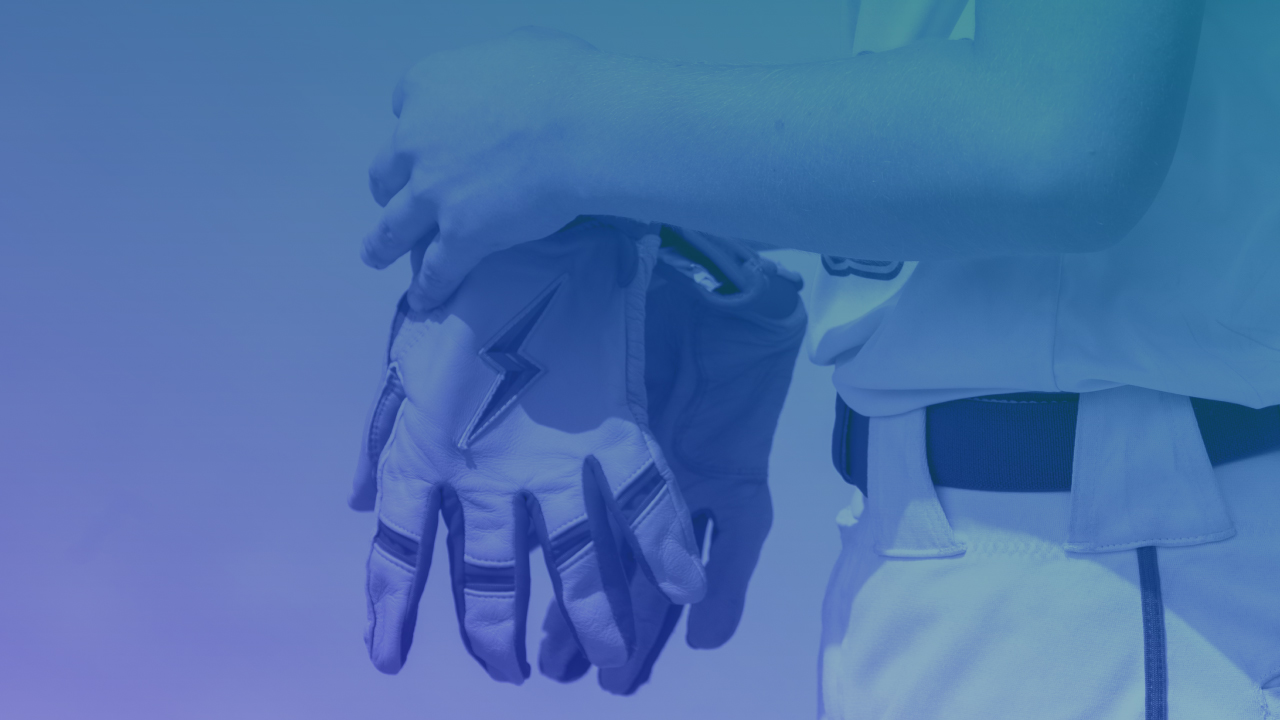
- Batting Gloves: For better grip and comfort
- Water Bottle: For staying hydrated
- Long Sleeves: For added protection and warmth
- Sliding Mitt: To protect hands during slides
- Protective Cup: An important safety item for boys
Gear Up for Success
Building a youth baseball starter pack doesn’t have to be overwhelming. Focus on the essentials and prioritize comfort and a great fit over having the flashiest equipment.
At MYAS, we’re dedicated to enhancing youth sports programs across Minnesota. Explore our website to find great baseball opportunities near you.